
Your home is likely your biggest investment, and protecting its foundation is non-negotiable. Here in Texas, heavy rains can saturate the soil, creating immense pressure that leads to cracks, leaks, and devastatingly expensive foundation repairs. A French drain is one of the best preventative measures you can take, acting as a shield for your home’s structural integrity. While many homeowners hesitate at the initial expense, the French drain installation cost is a small fraction of what you might pay for foundation work down the line. Think of it not as a cost, but as an investment in peace of mind. We’ll break down the typical expenses, explore factors that affect the price, and show you how a proper drainage solution is one of the smartest financial decisions you can make for your property.
Key Takeaways
- Plan for a Custom Investment: A professionally installed French drain typically costs between $2,800 and $6,500, but this price is a custom quote based on your property. Factors like drain length, soil type, and site accessibility will determine your final cost for this important foundation-protecting project.
- Installation Details Matter Most: A French drain's success depends on getting the technical details right, including creating a proper slope, using geotextile fabric to block silt, and choosing the correct gravel. Skipping these steps can lead to a clogged, failed system that needs to be redone.
- Assess Your Needs Before Digging: While a French drain is a great solution for widespread groundwater, it may not be what you need. First, check if simpler fixes like improving your gutters, adding downspout extenders, or installing a targeted surface drain can solve your specific water problem.
What Is a French Drain and How Does It Work?
If you’ve ever dealt with a soggy yard or noticed water pooling uncomfortably close to your home’s foundation, you’ve probably wondered what you can do about it. One of the most effective and time-tested methods is a French drain. At its core, a French drain is a cleverly designed drainage system that collects and redirects excess groundwater away from a specific area. It’s not a new or complicated technology; it’s a straightforward solution that relies on gravity to do the heavy lifting.
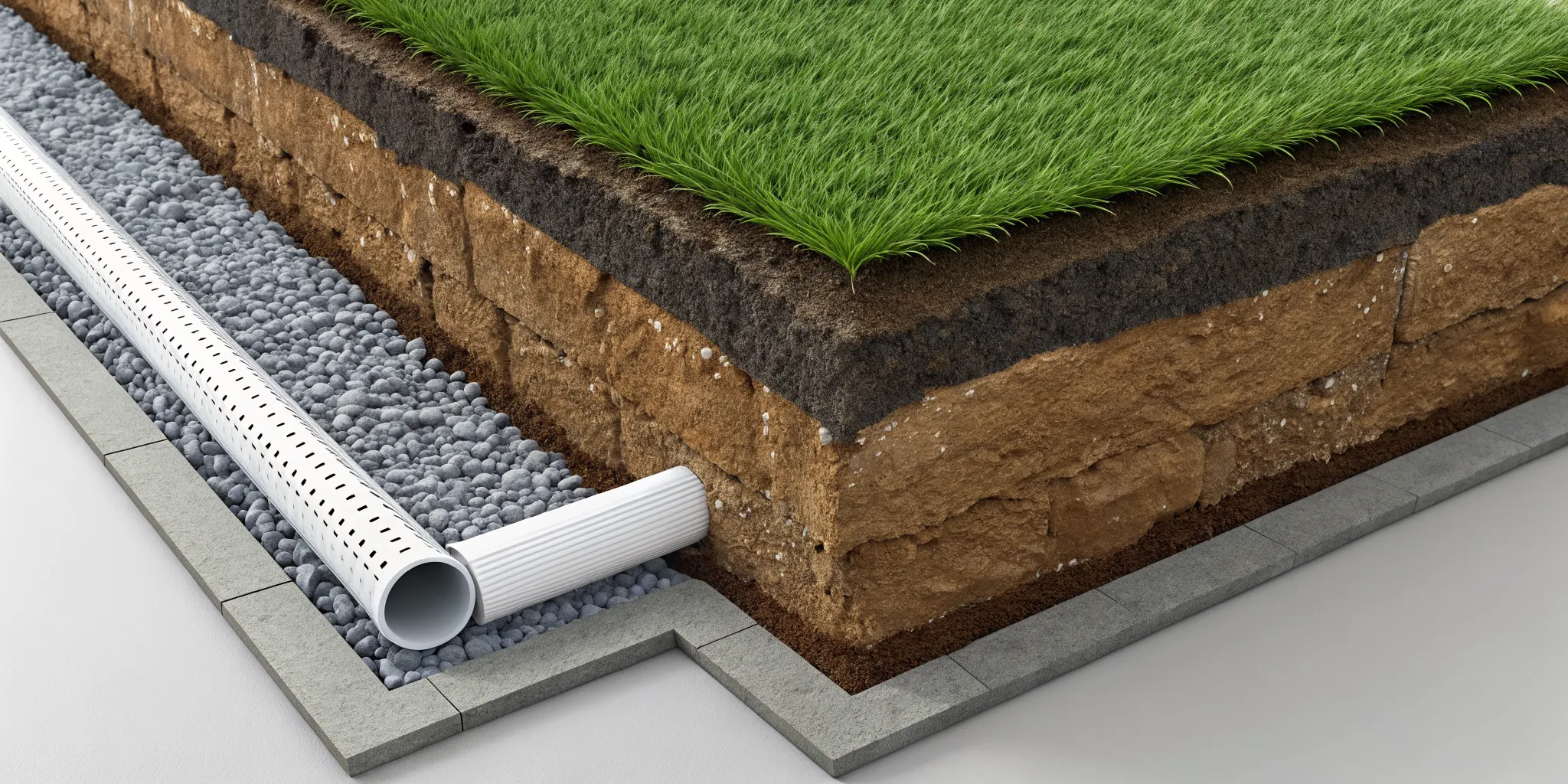
The system consists of a sloped trench, a perforated pipe, and a porous material like gravel. When water seeps into the ground, it flows into the trench, passes through the gravel, and enters the pipe through the small holes. From there, the water is channeled safely away from your property to a designated discharge point, like a storm drain or a dry well. This simple process is incredibly effective at preventing water accumulation, which is a leading cause of foundation issues, basement flooding, and landscape erosion here in Texas. By installing proper drainage solutions, you can protect your home’s structural integrity and keep your yard healthy and usable.
The Key Parts of a French Drain
A French drain might sound technical, but it’s made of just a few simple parts working together. The first is the trench, which is strategically dug in the area where water tends to collect. Its slope is critical, as it uses gravity to guide the water. Next comes a layer of gravel or crushed stone, which fills the trench. This material allows water to flow freely while filtering out larger debris.
At the heart of the system is the perforated pipe, which sits at the bottom of the trench. This pipe has small holes that allow water to enter it easily. Often, the entire trench is lined with a special geotextile fabric. This fabric is permeable, so it lets water pass through but stops soil and silt from clogging the pipe, ensuring the drain works effectively for years. These essential components create a reliable, low-maintenance system for managing excess water.
Signs You Might Need a French Drain
Not sure if a French drain is the right solution for you? Your property will usually give you some clear hints. The most obvious sign is standing water. If you have persistent puddles in your yard or near your foundation long after a storm has passed, it’s a strong indicator that your soil isn’t draining properly. Another red flag is a consistently damp or flooded basement or crawl space, which suggests groundwater is seeping through your foundation walls.
You might also notice water damage on interior walls, such as peeling paint or mold growth. If you’re building a retaining wall, a French drain is often necessary to relieve the water pressure that builds up behind it. These common signs all point to a drainage problem that, if left unaddressed, can lead to serious and expensive structural damage.
How Much Does a French Drain Cost?
Let’s talk numbers. When you’re facing drainage issues, one of the first questions on your mind is likely about the cost. Installing a French drain is a significant project, but it’s also a crucial investment in protecting your home’s foundation from costly water damage. The final price tag can vary quite a bit, but on average, most homeowners spend between $2,800 and $6,500 for a full installation.
The cost depends on several factors, like the length and depth of the drain, the type of soil on your property, and whether the drain is installed outside or inside your home. Because every property is unique, the best way to understand the investment is to think in terms of cost per linear foot. This is how most professionals will break down their quotes. Getting a custom estimate for your property’s specific needs is the only way to get an exact figure, but understanding the general price ranges can help you plan and budget for your drainage solution. We’ll break down the typical costs for exterior and interior systems so you can get a clearer picture of what to expect.
Average Cost Per Linear Foot
When you start getting quotes for a French drain, you’ll notice that the price is almost always calculated per linear foot. This is the industry standard for pricing these projects. Generally, you can expect the cost to fall somewhere between $10 and $50 per linear foot. For a complete project, this often adds up to a total between $1,000 and $6,000.
Why such a wide range? The final price per foot is influenced by the complexity of the job. A simple, shallow drain in soft soil will be on the lower end of that scale. A deep drain that requires extensive digging through rocky Texas soil and navigating around utility lines will be on the higher end. This pricing model helps account for the specific labor and materials your project will require.
Pricing for Exterior Drains
For most homeowners in Texas, an exterior French drain is the go-to solution for managing yard sogginess and protecting the foundation. The cost for these outdoor systems typically runs from $10 to $35 per foot. For a standard 100-foot drain, that puts the total project cost in the range of $2,800 to $6,500.
The price can be further broken down by the drain’s depth. A shallow yard drain, perfect for dealing with surface water and soggy patches in the lawn, usually costs between $10 and $25 per foot. In contrast, a deep exterior drain designed to pull water away from your home's foundation is a more intensive job. These systems, which are essential for properties on a slope, can cost between $25 and $50 per foot.
Pricing for Interior Drains
If water is already finding its way into your basement or crawl space, an interior French drain might be necessary. These systems are installed along the inside perimeter of your foundation walls and are more complex to put in place. Because the process involves cutting into the concrete slab, the cost is higher, typically ranging from $40 to $85 per foot. For an average 1,000-square-foot basement, you can expect to pay between $4,000 and $12,000.
It’s also important to remember that an interior drain system almost always requires a sump pump to actively pump the collected water out and away from the house. Installing a sump pump can add another $800 to $2,500 to the total project cost.
What Affects the Cost of a French Drain?
Figuring out the cost of a French drain isn't always straightforward because the final price depends heavily on your property's specific needs. While the average project costs around $5,000, the price can range anywhere from $2,800 to $6,500. Some very simple, short drains might cost as little as $500, while extensive systems for large properties will be on the higher end. This wide range exists because a French drain is a custom job, not a one-size-fits-all product.
Several key factors influence your quote, from the total length and depth of the drain to the type of soil in your yard and how easy it is to access the work area. Understanding these variables will help you see exactly what you’re paying for when you get a quote from a professional. It’s not just about digging a trench; it’s about creating a custom drainage solution that effectively protects your home’s foundation from water damage. When you know what goes into the estimate, you can have a more informed conversation with your contractor and feel confident that you’re making the right investment for your property. Let’s walk through the main elements that will shape the cost of your French drain installation.
Drain Length and Depth
The size of your French drain is one of the biggest factors in its total cost. A longer and deeper drain requires more materials, more time to excavate, and more labor, all of which add to the final bill. A short, simple drain in an open area might only cost a few hundred dollars, while a complex system that wraps around your entire home will be on the higher end of the price spectrum.
The necessary depth is often determined by your local frost line and the depth of your home’s foundation footing. This isn't a corner you can cut, as a drain that’s too shallow won’t effectively protect your foundation. A professional installer will assess your property to determine the right dimensions to ensure water is collected and redirected properly, giving you a lasting solution.
Your Property's Soil and Layout
The type of soil on your property plays a huge role in the installation process and its cost. If you have soft, loamy soil, digging the trench is relatively easy. However, here in Texas, many of us are dealing with dense clay or rocky ground. Excavating these tougher materials is much more labor-intensive and may even require specialized equipment, which increases the overall project cost.
The layout and slope of your land also matter. A yard with a natural, gentle slope can make it easier to achieve the gradient needed for water to flow away from your home. If your property is flat, your contractor will need to be extra precise when creating the slope in the trench to ensure the drain functions correctly, which can add to the labor involved.
Site Accessibility
Where the drain needs to be installed can significantly impact the price. If the work area is open and easily accessible with machinery, the job will be quicker and more affordable. However, if the drain needs to go in a tight space, like between two houses, near delicate landscaping, or in a basement, the cost will go up.
Interior drains, for example, often require breaking up and removing concrete, and all the excavation must be done by hand. This manual labor is far more time-consuming and physically demanding than using an excavator in an open yard. Limited access means more hours on the clock for the installation crew, which is reflected in the final quote you receive.
Material and Pipe Choices
Not all French drains are built with the same materials, and your choices will affect the total cost. The two main components are the pipe and the gravel backfill. You can opt for a basic, flexible perforated pipe or a more rigid, durable PVC pipe. While basic pipes are cheaper per foot, stronger pipes offer greater longevity and are less likely to crush under the weight of the soil, making them a worthwhile investment.
Similarly, the type of gravel used to fill the trench can vary in price. The geotextile fabric that lines the trench to prevent clogs also comes in different grades of quality and cost. A professional contractor can help you select the right materials that fit your budget while ensuring your drain will last for years to come.
Local Permit Requirements
Depending on where you live, you may need a permit from your local municipality to install a French drain. This is especially common if the drain will connect to a city storm sewer or discharge water near a public right-of-way. The purpose of a permit is to ensure the project complies with local building codes and won’t cause unintended drainage problems for your neighbors.
The cost of a permit is usually modest, often falling between $50 and $200, but it’s an essential step you can’t skip. A professional drainage company will know the local regulations and can handle the permitting process for you. This ensures your project is done correctly and legally, saving you from potential fines or headaches down the road.
Don't Forget These Additional Costs
When you're budgeting for a French drain, it's easy to focus on the main installation cost. But a few other expenses can pop up that are important to plan for. Thinking about these ahead of time ensures there are no surprises on the final bill and that your entire property is set up for success. From managing the collected water to cleaning up your yard afterward, here are a few additional costs to keep in mind.
Sump Pumps and Dry Wells
Depending on your property, your French drain may need a little help managing the water it collects. If you’re installing an interior drain in a basement or crawl space, you’ll likely need a sump pump to actively push water out and away from your foundation. A professionally installed sump pump can add between $800 and $2,500 to your project total. For exterior drains, a dry well might be necessary to give the water a place to go. This underground structure disperses water into the surrounding soil and typically costs between $500 and $3,000 to install. Factoring these in early helps you create a more accurate budget.
Landscape Restoration
French drain installation involves digging trenches, which can leave your yard looking a bit rough. Restoring your landscape is an often-overlooked expense that you’ll want to plan for. If the project disturbed your lawn, you might need to lay new sod to get your grass looking green and healthy again. Sod generally costs about $1 to $2 per square foot. While some homeowners handle this part themselves to save money, it’s still a cost to add to your overall project budget. Including this from the start will help you get your outdoor space back to beautiful without any financial surprises.
Future Maintenance
While French drains are wonderfully low-maintenance, they are not completely "set it and forget it." Over time, sediment, dirt, or even tree roots can cause clogs. To keep your system working properly, you may need occasional professional cleaning, which can run anywhere from $80 to $500. You can also perform some simple DIY maintenance by flushing the pipes with a garden hose once a month to help prevent buildup. Proactive upkeep is the best way to protect your investment and ensure your property benefits from a complete drainage solution for years to come, preventing costly repairs down the line.
DIY vs. Professional Installation: Which Is Right for You?
Deciding whether to tackle a French drain yourself or hire a professional is a big question. On one hand, the potential for cost savings with a DIY project is tempting. On the other, the peace of mind that comes with expert installation is invaluable, especially when you’re protecting your home’s foundation from water damage. The right choice really comes down to the complexity of your project, your budget, and your comfort level with some serious manual labor. It's a classic head-versus-heart decision for many homeowners.
Before you grab a shovel, it’s important to weigh the pros and cons of each path. A simple, shallow drain in an open yard is a very different project from one that runs near your foundation or involves complex grading. Getting it wrong can mean you've just wasted a weekend and a lot of money on materials, only to have the same soggy yard. Getting it right, however, can be incredibly rewarding. Let’s break down what you can expect from both a DIY approach and a professional installation so you can make the best decision for your property and your wallet.
The Pros of a DIY Approach
The biggest draw for a DIY French drain is, without a doubt, the cost savings. By supplying the labor yourself, you can cut project costs significantly, sometimes by 40% to 60%. Many handy homeowners find that they can complete a straightforward exterior drain for under a thousand dollars. If you’re working with a tight budget and aren’t afraid to get your hands dirty, this can be a great option.
Beyond the savings, there’s a real sense of accomplishment that comes from completing a major home improvement project on your own. As long as your project is simple and you’ve done your research, you can build a solution that effectively manages water on your property.
The Benefits of Hiring a Professional
When you hire a professional, you’re paying for more than just materials and a few hours of work. You’re investing in expertise, efficiency, and quality assurance. A professional team has the right equipment to get the job done quickly and correctly, avoiding the common pitfalls that can lead to a failed drain. They understand how to calculate the proper slope, select the right materials, and ensure the system functions perfectly.
Most importantly, professional installers typically guarantee their work. This means if something goes wrong, they’ll come back and fix it. That warranty provides incredible peace of mind, especially for a system designed to prevent thousands of dollars in potential foundation damage. It turns a potentially risky project into a reliable, long-term investment.
When to Leave It to the Experts
Some drainage projects are simply not suited for a DIY approach due to safety risks and complexity. You should always call a professional if the job involves digging trenches deeper than three feet or working close to your home’s foundation. Disturbing the soil near your foundation without proper knowledge can create serious structural problems. Likewise, any interior basement drain system requires specialized skills and should be left to the pros.
It’s also critical to consider what’s underground. If your property has utility lines, a septic system, or a well, attempting a DIY installation is extremely risky. Professionals know how to work around these obstacles safely and will always check for underground lines before a single shovel hits the dirt.
Common Installation Mistakes to Avoid
A French drain seems straightforward on the surface: dig a trench, add gravel and a pipe, and let gravity do the work. But the difference between a drain that protects your home for decades and one that fails in a year comes down to the details. Even small missteps can lead to a clogged, ineffective system that requires a complete and costly do-over. Understanding these common pitfalls is key, whether you're planning a DIY project or hiring a professional to handle the job.
The most frequent errors fall into a few categories: improper planning, using the wrong materials, and poor installation technique. Forgetting a critical first step like locating utility lines can be dangerous and expensive. Choosing the wrong gravel or skipping the protective fabric lining can cause the entire system to clog with silt and soil. And getting the slope wrong means water will sit in the trench instead of flowing away from your home’s foundation. These aren't just minor issues; they undermine the entire purpose of the drain. A properly installed system is an investment in your property's health, and our team ensures every step is handled correctly to provide a lasting drainage solution.
Forgetting to Call 811 Before You Dig
Before you break ground, your first and most important action is to call 811. This free, federally designated service coordinates with local utility companies to mark the approximate location of underground lines, including water, sewer, gas, and electrical wiring. Hitting one of these lines is not only incredibly dangerous but can also lead to expensive repairs and fines. Imagine causing a neighborhood-wide outage or, worse, a gas leak. The ground around your home is full of critical infrastructure you can't see. A quick call to 811 Before You Dig a few days before your project starts is a simple, non-negotiable step that ensures safety for everyone involved.
Getting the Slope Wrong
The entire function of a French drain relies on one basic principle of physics: water flows downhill. For the drain to work, the trench must have a consistent, gradual slope from the highest point to the lowest point where you want the water to exit. A common mistake is digging a trench that is too flat, has dips and rises, or even slopes the wrong way. If the slope is off, water will pool in the low spots instead of draining away, turning your trench into a muddy ditch. This defeats the purpose of the drain and can actually make your water problems worse. Professionals use specialized tools to ensure a minimum slope, typically one inch for every eight feet of drain.
Skipping the Geotextile Fabric
One of the most critical mistakes in a French drain installation is failing to line the trench with geotextile fabric. Think of this fabric as the system's gatekeeper. It’s a water-permeable material that wraps around the gravel and pipe, allowing water to enter while blocking out soil, silt, and other debris. Without this protective layer, dirt will inevitably wash into the gravel, clogging the spaces between the stones and eventually the pipe itself. A clogged drain is a failed drain. Skipping this step to save a little time or money is a recipe for premature failure, forcing you to dig up and replace the entire system sooner rather than later.
Choosing the Wrong Type of Gravel
Not all gravel is created equal, and the type you choose has a major impact on your drain's performance. The ideal choice is clean, round, natural stone that is about one to one-and-a-half inches in diameter. This size creates ample space for water to flow freely through the trench and into the perforated pipe. Many DIY installations go wrong here by using pea gravel, which is too small and dense, or crushed rock, which has sharp edges that can compact and reduce flow. These incorrect materials can slow drainage significantly or contribute to clogging over time. Using the right gravel is essential for creating a high-flow system that effectively moves water away from your home.
Using the Wrong Pipe or Backfill Method
It might be tempting to cut corners by simply filling a trench with gravel, but without a proper perforated pipe, the system won't work as intended. The pipe acts as a channel, quickly collecting water from the surrounding gravel and carrying it away to the designated outlet. Make sure the pipe is installed with the holes facing down, which allows rising water to enter from below. Equally important is the backfill method. The trench should be filled with gravel to cover the pipe completely before the geotextile fabric is folded over the top. This ensures the entire system is protected from soil intrusion while maximizing its capacity to collect water.
How to Save Money on Your French Drain Project
A French drain is a significant investment in your home's health, but that doesn't mean the price tag has to be a shock. With a little planning and some smart decision-making, you can manage the costs without compromising on the quality of the work. Protecting your foundation from water damage is the top priority, and cutting the wrong corners can lead to bigger problems down the road. Instead, think about strategic ways to save. From timing your project just right to knowing which parts of the job you can handle yourself, there are several practical steps you can take to get the best value. It’s all about being an informed homeowner and finding a professional partner who respects your budget and your property.
Compare Quotes from Professionals
Never settle for the first quote you receive. It’s always a good idea to get at least three different quotes from reputable drainage companies. This process isn't just about finding the lowest price; it's about understanding the market rate and seeing what each contractor includes in their proposal. One company might offer a comprehensive plan that includes hauling away excess dirt, while another might not. Comparing detailed estimates side-by-side helps you spot inconsistencies and ensures you're getting a fair price for the scope of work your property needs. It’s your best tool for finding a trustworthy expert.
Bundle Your Drainage Services
If your property has multiple water issues, you might save money by tackling them all at once. For example, some homes need both a French drain to handle groundwater and a surface drain for heavy rain. When a contractor is already on-site with their crew and equipment, adding a second project is often more affordable than scheduling it separately later. Ask your contractor if they offer discounts for bundling drainage solutions. This approach streamlines the work, minimizes disruption to your yard, and can lead to significant savings on labor and mobilization costs.
Handle Your Own Landscaping Repairs
Installing a French drain involves digging a trench, which can leave your lawn looking a bit rough. While most contractors offer to restore the landscaping, this service adds to the final bill. If you have a green thumb, you can save on labor costs by handling the finishing touches yourself. Simple tasks like spreading topsoil, planting grass seed, or laying down new sod are manageable weekend projects for many homeowners. Just be sure to clarify with your contractor exactly where their work ends so you know what to expect when they’re done.
Schedule for the Off-Season
Like many outdoor trades, drainage contractors have busy seasons and slower periods. In Texas, the heavy rains of spring often keep drainage experts in high demand. If your water problem isn't an immediate emergency, consider scheduling your installation during the off-season, like late fall or winter. With less demand for their services, some companies may offer more competitive pricing or have greater flexibility in their schedules. Planning ahead and booking your project during a quieter time of year can be a simple yet effective way to reduce the overall cost.
Focus on the Essentials
When discussing your project with a contractor, it’s easy to get tempted by extra features or premium materials. While some upgrades can be beneficial, it’s important to stick to what you really need to solve your specific water problem. Be clear about your primary goal, whether it's preventing a soggy yard or keeping your basement dry. A good contractor will respect your priorities and help you design a system that effectively addresses the core issue without unnecessary add-ons. This ensures every dollar you spend goes directly toward protecting your home’s foundation.
How a French Drain Protects Your Home's Foundation
When heavy rains hit, all that water has to go somewhere. If your yard slopes toward your house or has poor drainage, water can pool against your foundation and create a serious problem. Over time, the soil becomes saturated, and the water exerts immense force against your foundation walls. This constant force, known as hydrostatic pressure, can eventually lead to cracks, leaks, and even major structural damage. It’s a silent threat that can compromise the integrity of your entire home.
This is where a French drain becomes your foundation's best friend. Instead of letting water sit and cause damage, a French drain system actively collects and redirects it. It’s a hidden trench containing a perforated pipe and gravel that captures groundwater and surface water, channeling it safely away from your home. By doing this, it helps prevent water from forcing its way inside and relieves that dangerous hydrostatic pressure before it can cause harm.
But the benefits don't stop there. A well-designed French drain also prevents soil erosion around your foundation. When water constantly washes over the soil, it can strip it away, leaving your foundation exposed and less stable. By controlling the flow of water, a French drain keeps your soil in place and your foundation secure. Investing in a proper drainage solution isn't just about fixing a soggy yard; it's a proactive step to safeguard your home's structural integrity and protect one of your biggest investments.
Are There Alternatives to a French Drain?
While a French drain is an excellent tool for managing widespread groundwater, it isn't always the only or best answer for every drainage problem. The right fix for your yard depends entirely on the source and location of the water. Is water pooling in one specific low spot, or is your entire lawn soggy after a storm? Answering that question is the first step toward finding a lasting solution.
Sometimes, a less extensive system is all you need. For instance, if your main issue is roof runoff overwhelming your flowerbeds, improving your gutter system might be the most direct approach. In other cases, a combination of different drainage solutions can work together to keep your property dry and protect your foundation. Let's look at a few effective alternatives that might be a perfect fit for your home.
Surface Drains
If you have a persistent puddle that forms in the same spot every time it rains, a surface drain might be your answer. Think of it as a floor drain for your yard. Also known as a yard drain, this system uses a grated inlet to catch surface water in a specific low-lying area.
From there, an underground pipe carries the water away to a safer location, like the street or a connected dry well. According to the home improvement experts at This Old House, these drains are ideal for collecting water that frequently gathers in isolated spots. They are a targeted and efficient way to handle predictable pooling without needing a more complex trenching system across your entire property.
Dry Wells
A dry well is another great option for managing isolated water issues, especially runoff from your roof's downspouts. A dry well is essentially a large, buried container with perforated sides that collects water and allows it to slowly seep into the surrounding soil. This prevents water from pooling on the surface or saturating the ground near your home's foundation.
Installation is typically less invasive than a full French drain system. A dry well can also be a team player; it can easily be tied into other systems, including gutters and even French drains, to create a more comprehensive water management plan for your property.
Gutter and Downspout Solutions
Before you dig up your yard, it's always a good idea to look up. Often, the source of your drainage woes starts at the roofline. Clogged, damaged, or undersized gutters can send sheets of water cascading down, overwhelming your landscape and threatening your foundation. Ensuring your home has a high-quality seamless gutter system is your first line of defense.
Simple additions like downspout extenders can direct water far away from your home. You could also install rain barrels at the end of your downspouts to capture water for your garden, turning a problem into a practical resource. Properly functioning gutters and downspouts are fundamental to any effective drainage strategy and can often solve water issues on their own.
Find the Right Drainage Solution for Your Home
When you’re dealing with standing water or a soggy yard, it’s tempting to jump to the first solution you find. But before you start digging, it’s important to evaluate your property’s specific needs. A French drain is an excellent tool for managing subsurface water, but it’s a significant investment. The right approach for your neighbor might not be the best one for you. Taking the time to understand your options will ensure you get a system that works effectively for years to come.
The cost of a professionally installed French drain typically falls between $2,800 and $6,500, with many homeowners spending around $5,000. Of course, this price tag depends on several factors. The length and depth of the trench are major drivers of cost, as are any challenges with site accessibility, like working in a tight crawlspace. Simpler, shorter drains can cost as little as $500, so getting a clear picture of your project’s scope is the first step toward setting a realistic budget.
If you’re handy and looking to save on labor, a DIY installation is a definite possibility. You could reduce the total cost by 40% to 60% by tackling the project yourself. For example, the materials for a shallow 50-foot exterior drain might run you between $500 and $1,500. In contrast, a professional installation for the same drain could cost anywhere from $2,500 to $4,000. This is a substantial saving if you have the time and confidence to do the job right.
However, it’s crucial to avoid common installation mistakes that can render your drain useless. Forgetting to line the trench with filter fabric, for instance, can lead to clogs from silt and soil. It’s also essential to get the slope right so water flows away from your home, not toward it. If you’re feeling unsure about these technical details, bringing in a professional for their drainage solutions is the best way to protect your investment and your home’s foundation.
Frequently Asked Questions
How long will a professionally installed French drain last? A well-built French drain is a long-term solution. When installed by a professional using high-quality materials like rigid PVC pipe and durable geotextile fabric, you can expect it to last for 30 years or even longer. The key to its longevity is proper installation that prevents clogs and ensures a consistent slope, along with occasional, simple maintenance to keep it clear.
My yard gets soggy, but my basement is dry. Do I still need a French drain? Yes, a French drain could still be the perfect solution for you. These systems are not just for preventing basement flooding. A shallow exterior French drain is specifically designed to handle surface water issues, like a persistently soggy lawn or standing water after a storm. By collecting and redirecting that excess water, it makes your yard more usable and prevents landscape erosion.
Can I connect my gutter downspouts to my French drain? Absolutely, and it's often a smart strategy for comprehensive water management. Funneling water from your downspouts directly into a French drain or a connected dry well ensures that the large volume of water from your roof is carried far away from your home's foundation. This prevents soil saturation right next to your house, which is a primary cause of hydrostatic pressure and potential leaks.
What's the biggest mistake people make when installing a French drain? The most critical and common mistake is getting the slope wrong. A French drain relies entirely on gravity to function, so the trench must have a consistent, gradual slope to carry water away. If it's too flat or has dips, water will pool in the trench and defeat the entire purpose. Another frequent error is skipping the geotextile fabric liner, which inevitably leads to clogs from soil and silt, causing the system to fail prematurely.
Is a French drain installation disruptive to my yard? The installation does involve digging a trench, so there will be some temporary disruption to your lawn and landscape. A professional crew works to minimize the impact and keep the work area as tidy as possible. After the drain is in place, the trench is backfilled. The final step is restoring the landscape, which can involve spreading topsoil and planting new grass. This is a service you can ask your contractor about or handle yourself to manage costs.