
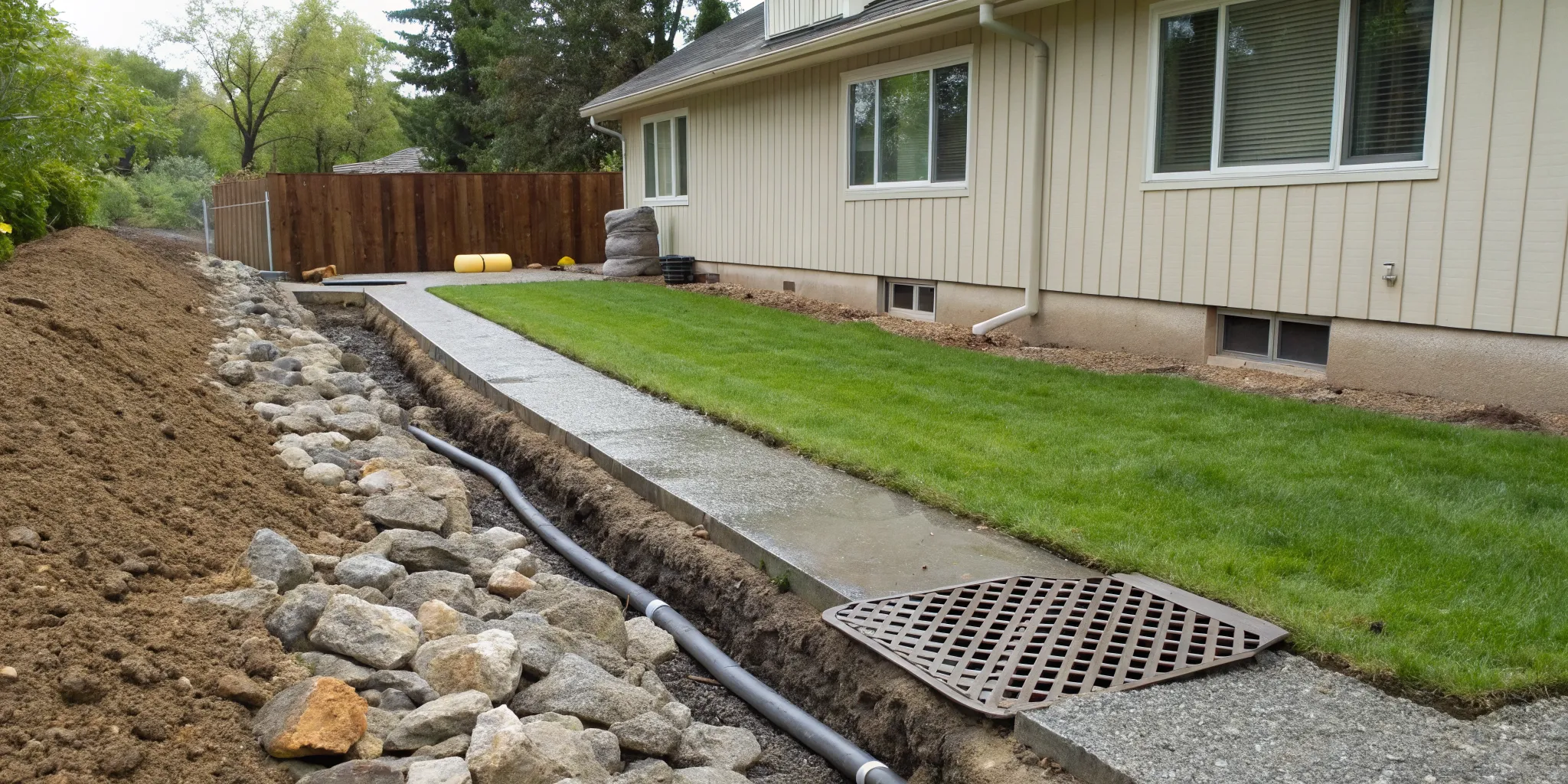
As a Texas homeowner, you know that protecting your foundation is priority number one. While you might watch for cracks and shifts, one of the biggest threats could be sitting right in your yard: standing water. Those persistent puddles saturate the heavy clay soil around your home, causing it to expand and put immense pressure on your foundation. This cycle of swelling and shrinking can lead to serious structural damage over time. Learning how to fix standing water in yard is not just about lawn care; it’s an essential step in safeguarding your biggest investment. This article will show you how to spot and solve drainage issues to keep your foundation safe and dry.
Key Takeaways
- Pinpoint the Problem's Source: Standing water is usually caused by one of three things: compacted soil, an improper yard slope, or an ineffective gutter system. Figuring out which one is affecting your yard is the first step to finding a lasting solution.
- Try Easy DIY Fixes First: For minor puddles, simple adjustments can make a big difference. Try aerating your lawn to help it absorb water, filling in low spots with topsoil, or adding extenders to your downspouts to guide water away from the house.
- Prioritize Your Gutter System: Your gutters are your home's primary tool for managing rainwater. Regularly cleaning them and making sure your downspouts discharge water several feet from your foundation is crucial for preventing both yard puddles and structural damage.
Why Is There Standing Water in Your Yard?
Seeing puddles linger in your yard long after a storm is more than just an annoyance; it’s a sign that something is preventing water from draining properly. Before you can find the right fix, you have to play detective and figure out the root cause. Most yard drainage problems come down to one of three main culprits: the soil itself, the slope of your land, or the system designed to carry water away from your house.
Understanding what’s happening beneath the surface is the first step toward a solution. Is the ground too dense for water to soak in? Is your yard accidentally directing rain toward your foundation? Or are your gutters failing to do their job, dumping water where it shouldn’t be? By identifying the source, you can choose an effective strategy that solves the problem for good, protecting your lawn, your home, and your peace of mind. Let’s look at the most common reasons you might have standing water.
Compacted Soil and Poor Drainage
One of the most frequent causes of standing water, especially here in Texas, is compacted soil. Over time, foot traffic, heavy equipment, and even the natural composition of clay soil can cause the ground to become dense and hard. When soil is compacted, there’s very little space for water to penetrate. Instead of soaking into the earth, rainwater hits a wall and simply pools on the surface. These soggy spots can drown your grass and create a perfect breeding ground for pests. If you notice that water sits in low spots for days after it rains, compacted soil is a likely suspect.
An Improperly Graded Yard
Your yard should have a gentle slope that directs water away from your home’s foundation. This is called "grading." If your property is too flat or, even worse, slopes toward your house, water has nowhere to go. An improperly graded yard will cause rainwater to collect in low areas or pool directly against your foundation. This is a serious issue, as constant moisture can lead to cracks, leaks, and costly structural damage over time. A poorly graded yard essentially turns your property into a shallow bowl, trapping water instead of letting it flow away safely.
Clogged or Ineffective Gutters
Your gutter system is your home's first line of defense against water damage, but it can also be a major source of yard puddles. When gutters are clogged with leaves, twigs, and other debris, they can't function correctly. Rainwater will overflow the sides and pour down directly next to your foundation. Similarly, if your downspouts are too short or aren't aimed away from the house, they will dump concentrated amounts of water right where you don't want it. This often creates soggy, eroded areas and can put immense pressure on your foundation. Proper drainage solutions are essential to guide water away from your home and prevent it from collecting in your yard.
The Real Damage of Standing Water
A few puddles after a storm might not seem like a big deal, but when water sticks around for days, it’s a sign of a bigger problem. Standing water is more than just a muddy mess; it’s a silent threat to your yard, your health, and the very structure of your home. Ignoring it can lead to expensive repairs and a lot of headaches down the road. Understanding what’s at stake is the first step toward finding a permanent fix and protecting your property.
Harm to Your Lawn, Plants, and Soil
That beautiful green lawn you work so hard on can’t survive in a swamp. When soil is waterlogged, it cuts off the oxygen supply to the roots of your grass and plants, essentially drowning them from below. This leads to yellowing patches, root rot, and eventually, dead spots across your yard. It’s not just the grass, either; your expensive landscaping, from flower beds to shrubs, is also at risk. Beyond the plants, persistently damp soil can develop mold and mildew, which can create an unhealthy environment for your family and pets. Letting water sit is a sure way to damage your lawn and undo all your hard work.
An Open Invitation for Pests and Mosquitoes
Standing water is like rolling out the welcome mat for unwanted guests. Puddles that last for more than a day become a perfect breeding ground for mosquitoes, which can carry diseases and make spending time outdoors miserable. But they aren't the only problem. Damp, soggy ground also attracts other pests like rodents, roaches, and slugs, who thrive in moist environments. If these puddles are close to your house, it’s only a matter of time before these critters try to find their way inside. A waterlogged yard essentially creates a home for pests you definitely don’t want as neighbors.
The Risk to Your Home's Foundation
This is where standing water goes from a nuisance to a major threat. When water pools around your house, it saturates the soil directly against your foundation. In Texas, our clay-heavy soil expands significantly when wet and shrinks as it dries. This constant cycle of expansion and contraction puts immense pressure on your foundation walls, leading to cracks, shifting, and uneven settling. Over time, this can cause serious structural problems that are incredibly expensive to fix. Proper drainage solutions are not just about keeping your yard dry; they are essential for preventing catastrophic damage to your home's foundation.
How to Spot Drainage Problems in Your Yard
Before you can start fixing your yard’s soggy spots, you need to play detective and figure out exactly where and why the water is collecting. You don’t need any special equipment for this, just a little time and observation. These simple checks will help you pinpoint the problem areas so you can choose the right solution. Think of it as a check-up for your yard to ensure water is flowing away from your home, not toward it. By identifying the root cause, you can prevent small puddles from turning into major headaches for your lawn and foundation.
Try the Garden Hose Test
You don’t have to wait for the next Texas downpour to find your yard’s problem spots. A simple garden hose test can reveal where water is likely to pool. Pick a day when the ground is relatively dry and place your hose in an area you suspect has poor drainage. Let the water run for several minutes, then turn it off. Now, watch what the water does. Does it soak into the ground quickly, or does it form a puddle that refuses to shrink? If it pools, you’ve found a low spot or an area with heavily compacted soil. This test is a great way to confirm common yard drainage problems without getting caught in a storm.
Find Low Spots with a Leveling Tool
Sometimes drainage issues are caused by improper grading, meaning your yard doesn’t slope correctly to guide water away from your house. You can check for this with a long, straight 2x4 board and a carpenter’s level. Place the board on the ground in an area where you see pooling, with one end near your home’s foundation. Put the level on top of the board. Ideally, the bubble should show a slight slope away from your house. If it’s level or slopes toward your foundation, you’ve found a major contributor to your water problems. This is especially critical around downspouts, where a lack of slope can cause water to collect right at the base of your home. Proper drainage solutions can correct this by redirecting water safely.
Observe Your Yard After It Rains
The most straightforward way to spot drainage issues is to take a walk around your property after a good rain. Pay close attention to where water collects and how long it stays there. Are there persistent puddles in the middle of the lawn that last for days? Do you see miniature rivers forming and eroding your mulch? Make sure to check the areas around your foundation and downspouts. If water is lingering near your home, it’s a clear red flag. Standing water after rain is often a sign of compacted soil or poor grading. It can also mean your gutters are overflowing or your downspouts are releasing water too close to the house, indicating it might be time for a gutter check-up.
Easy DIY Fixes for Minor Puddles
If you’re dealing with a few stubborn puddles that appear after every rain, don’t panic. You might not need a major drainage overhaul just yet. Many minor water issues can be solved with a little weekend effort and some simple adjustments to your yard. These DIY fixes are a great starting point for taking control of your landscape and protecting your property. Before you call in the heavy machinery, try these straightforward solutions to see if you can resolve the problem on your own.
Fill Low Spots with Topsoil
Often, the simplest solution is the right one. Small depressions in your lawn are natural collection points for rainwater. You can easily fix these by filling them in. Use a mixture of quality topsoil and compost to fill the low spot, packing it down gently until it’s level with the surrounding ground. Once it’s filled, you can spread grass seed over the area to blend it back into your lawn. This is a quick and effective way to get rid of standing water in isolated areas without needing to reshape your entire yard. It’s a perfect project for a Saturday afternoon.
Aerate Your Lawn
If your soil feels hard as a rock, water can’t soak in. This is common with the heavy clay soil we often see in Texas. When soil becomes compacted, water has nowhere to go but sideways, creating puddles on the surface. Lawn aeration is the process of pulling out small plugs of soil to loosen it up. This creates channels for air, water, and nutrients to penetrate deeper into the ground. You can rent a core aerator for a DIY approach or hire a local lawn service. Aerating your lawn once or twice a year can dramatically improve its ability to absorb rainfall.
Regrade Small Problem Areas
Sometimes a single low spot isn’t the issue, but rather a small section of your yard that doesn’t slope correctly. If you notice water consistently pooling in one area, you may need to do some minor regrading. This involves more than just filling a hole; it’s about creating a gentle slope to guide water away from the problem area. Use a shovel to move soil from higher ground to the low area, or bring in a topsoil mix to build it up. Rake the area smooth to create a subtle, even grade that encourages water to flow toward a better drainage point, like a street or a designated garden bed.
Extend Your Downspouts
Take a look at where your gutter downspouts release water. If you see puddles forming right next to your foundation, your downspouts are likely too short. They are dumping water directly at the base of your home, where it can cause serious foundation damage over time. An easy and crucial fix is to add downspout extenders. These simple attachments guide water several feet away from your foundation to a part of your yard that can better absorb it. This small change is one of the most important drainage solutions you can implement to protect your home’s structural integrity.
Improve Your Soil's Structure
If you’re constantly battling soggy soil, the problem might be the soil itself. Heavy clay soil, which is prevalent across Texas, has very fine particles that pack together tightly, making it difficult for water to drain through. You can improve your soil’s structure over time by working in organic material. Spreading a layer of compost, aged manure, or peat moss over your lawn or mixing it into your garden beds adds nutrients and creates small air pockets. These pockets help break up dense clay, allowing water to flow through the soil instead of pooling on top of it.
Advanced Solutions for Serious Water Issues
If you’ve tried the simple fixes and your yard still turns into a shallow lake after every storm, it might be time for a more powerful approach. Advanced drainage systems are designed to handle serious and persistent water problems that can threaten your lawn, landscaping, and even your home’s foundation. While these solutions are more involved than aerating your lawn or adding topsoil, they offer a permanent fix and long-term peace of mind. Think of them as a critical investment in protecting your property.
These systems work by actively collecting and redirecting large volumes of water away from your home and yard. Options like French drains, swales, and catch basins are engineered to solve specific types of drainage issues, from widespread sogginess to deep, recurring puddles. Because they often involve trenching and careful planning to ensure proper slope and flow, these projects are usually best left to the pros. A professional can assess your property’s unique layout and recommend the most effective drainage solutions to keep your yard dry and your foundation safe for years to come.
Install a French Drain
A French drain is a classic and highly effective solution for yards with chronic water issues. It’s essentially a hidden trench containing a perforated pipe surrounded by gravel. This system works by collecting excess groundwater from saturated soil and channeling it away from your property. The water flows into the gravel-filled trench, enters the pipe, and is then directed to a safe exit point, like a storm drain or a dry well. It’s an ideal fix for soggy lawns or to prevent water from seeping into your basement or damaging your home’s foundation.
Build a Swale or Dry Creek Bed
If you need to manage surface water flowing across your property, a swale or dry creek bed is an excellent, landscape-friendly option. A swale is a wide, shallow channel with gently sloping sides that directs water from one area to another. It slows down the flow and allows some of it to soak into the ground along the way. A dry creek bed functions similarly but is lined with stones and rocks, turning a drainage feature into an attractive part of your landscape. Both are great for guiding runoff away from your house and preventing erosion on sloped yards.
Install a Catch Basin or Channel Drain
For stubborn puddles that form in the same low spot every time it rains, a catch basin is your go-to solution. It’s a small, grated box installed underground at the lowest point of the problem area. Water flows into the basin and is then carried away through a buried pipe. A channel drain works on the same principle but is long and narrow, making it perfect for intercepting water along driveways, patios, or walkways. If you have a specific spot that’s always underwater, you can contact us to see if a catch basin is the right fix.
Consider a Dry Well
What do you do when you have nowhere to send the excess water? A dry well provides the answer. This system is an underground pit, typically filled with gravel or a large, perforated container, that collects runoff from your downspouts or other drainage systems. Instead of discharging the water into the street, the dry well holds it temporarily, allowing it to slowly and safely soak into the surrounding soil. It’s a smart, self-contained solution for properties where a standard discharge point isn’t available or practical.
Set Up a Sump Pump System
For the most severe water problems, especially in low-lying areas or yards with a high water table, a sump pump system is a powerful defense. This setup involves a pump placed in a basin, or "sump pit," installed at the lowest point in your yard. When the pit fills with water, a float switch activates the pump, which then pushes the water through a pipe to a designated drainage area far from your home. It’s an active, automated solution that provides reliable protection against flooding and standing water.
Choosing Your Solution: Pros and Cons
Once you’ve identified a serious drainage problem, it’s time to explore more advanced fixes. These solutions often require significant work and investment, so understanding the pros and cons of each is key. While some projects might seem like a weekend DIY, many of these systems need precise installation to function correctly and protect your home's foundation. Getting a professional assessment can save you a lot of headaches down the road.
French Drains
A French drain is a popular and highly effective way to manage excess water. Think of it as a hidden drainage system: a trench is dug, filled with gravel, and fitted with a perforated pipe that collects water and channels it away from your yard and foundation. The main advantage is its ability to capture and redirect large amounts of subsurface water before it can pool.
The downside is the installation. It’s a labor-intensive project that requires careful planning to ensure the trench has the right slope. While a DIY approach is possible, a professional installation ensures it works correctly from day one. Given the complexity, many homeowners find it’s best to hire experts who specialize in drainage solutions to protect their property effectively.
Swales and Dry Creek Beds
If you prefer a more natural-looking solution, a swale or dry creek bed might be the right fit. A swale is simply a shallow, wide ditch with gentle slopes that guides water to a designated area, like a rain garden or a street drain. They blend seamlessly into your landscape and can be an attractive feature. A dry creek bed functions similarly but is filled with stones and rocks for a more decorative look.
The main challenge with swales is getting the grading just right. If the slope isn't correct, you could end up with water sitting in the swale or even flowing back toward your house. For this reason, it’s often best to hire a professional to design and build it.
Catch Basins and Channel Drains
Catch basins are ideal for targeting specific low spots where water always seems to collect, like at the bottom of a slope or on a patio. A grate-covered box is installed underground at the lowest point, catching water and funneling it into a pipe that directs it away. Channel drains work on the same principle but are long, narrow trenches used for hardscapes like driveways.
These are excellent for managing surface water in concentrated areas. However, the installation involves digging and ensuring the outlet pipe is properly sloped for drainage. If not installed correctly, the basin can clog or fail to drain, making the problem worse.
Dry Wells
A dry well is an underground structure that collects runoff and allows it to slowly seep into the surrounding soil. It’s essentially a large, buried pit filled with gravel or a prefabricated container that holds excess water until the ground can absorb it. This is a great option if you don’t have a convenient place to discharge water, like a street or storm drain.
The main drawback is the potential cost and excavation required. While a small, DIY dry well might work for minor issues, a larger system designed to handle significant runoff is a job for the pros. Proper installation is critical to prevent clogs and ensure it can handle the volume of water from your yard.
Sump Pumps
For yards with severe water issues or those in flood-prone areas, a sump pump is a powerful solution. It’s an electric pump placed in a pit, or sump, at the lowest point of your yard. When water fills the pit, the pump automatically turns on and forces the water out through a pipe to a designated drainage area far from your house.
The biggest pro is its ability to move a lot of water quickly. However, it’s a complex system that relies on electricity, so a backup power source is a smart idea. Due to the electrical and plumbing work involved, this is not a DIY project. You’ll want to contact a professional to ensure it’s installed safely and correctly.
How Your Landscaping Affects Yard Drainage
Your yard’s landscaping is more than just curb appeal; it’s a critical part of your property's water management system. The plants you choose, the way your garden beds are designed, and the materials you use for patios and walkways all play a role in how water behaves on your property. When done thoughtfully, landscaping can be one of your best allies in preventing standing water. Instead of letting rainwater pool in low spots or run off in sheets, you can guide it, absorb it, and use it to create a healthier, more beautiful yard. This approach is all about working with nature, not against it.
Strategic landscaping helps slow down heavy rainfall, giving it time to soak into the soil instead of overwhelming your lawn and flowing toward your home's foundation. By turning soggy problem areas into intentional features like rain gardens, you not only solve a drainage issue but also add a unique and attractive element to your outdoor space. Before you start digging trenches or installing complex systems, consider how a few smart changes to your garden and hardscaping could make a significant difference. These natural solutions are often less expensive, more visually appealing, and can improve your property's overall ecosystem. They represent a proactive way to manage water right where it falls.
Choose Water-Loving Plants for Soggy Spots
If you have a corner of your yard that stays consistently damp, fighting it might be a losing battle. Instead, you can work with the conditions by choosing plants that thrive in wet soil. Many beautiful flowers, shrubs, and grasses naturally love having "wet feet" and are excellent at absorbing excess moisture from the ground. Planting these in your yard’s low, soggy spots is a simple and organic way to help dry out the area while adding color and texture to your landscape.
Think of it as giving nature a job to do. Plants like canna lilies, irises, and certain types of ferns are not only gorgeous but are also perfectly suited for those perpetually damp patches. A quick search for Texas native plants for wet areas can give you a great list to start with. By selecting the right plants for the right place, you can turn a muddy problem into a flourishing part of your garden, reducing puddles one plant at a time.
Create a Rain Garden to Absorb Excess Water
A rain garden is a fantastic and eco-friendly way to handle yard drainage. It’s essentially a shallow, bowl-shaped garden bed built in a low-lying area of your yard. You fill it with water-loving plants and absorbent soil, creating a designated spot to collect rainwater runoff from your roof, driveway, or lawn. Instead of pooling on the surface, the water gathers in the rain garden and slowly soaks into the ground, getting filtered by the plants and soil along the way.
This approach is both practical and beautiful. A well-designed rain garden can become a stunning landscape feature that attracts butterflies and songbirds while actively managing stormwater. It’s a perfect solution for areas that receive a lot of runoff, like near a downspout. By directing water to a rain garden, you prevent it from sitting on your lawn or flowing toward your home’s foundation, all while creating a mini-ecosystem in your backyard.
Use Permeable Pavers and Smart Hardscaping
Hard surfaces like concrete patios, solid walkways, and asphalt driveways are a major cause of standing water. Because they are non-porous, they prevent rainwater from soaking into the ground. Instead, the water runs off, often pooling in your lawn or flowing directly toward your house. A smarter approach is to use permeable hardscaping materials that allow water to pass right through them and absorb naturally into the earth below.
Consider options like permeable pavers, gravel, or decorative stones for your next outdoor project. These materials create stable, attractive surfaces for walking or relaxing, but with small gaps that let water drain through. This simple switch can dramatically reduce runoff and prevent puddles from forming on and around your hardscaped areas. Using permeable materials is an effective way to balance your need for functional outdoor living space with your yard’s need for healthy drainage.
The Gutter-Yard Drainage Connection
It’s easy to think of your yard’s drainage as a separate issue from your house, but they are deeply connected. Your roof is the single largest surface for collecting rainwater, and your gutter system is the tool designed to manage it. When your gutters aren't doing their job, your yard is often the first place you'll see the consequences, from soggy patches to full-blown ponds right next to your foundation. Understanding this link is the key to solving persistent water problems for good.
How Clogged Gutters Create Yard Puddles
Your gutters have one main job: to catch rainwater and guide it safely away from your home. When they become clogged with leaves, twigs, and other debris, they can’t perform. Instead of flowing to the downspouts, water spills over the sides, dumping a concentrated volume directly onto the ground below. This constant overflow saturates the soil next to your foundation, creating those stubborn puddles and muddy spots. If you notice standing water right after a storm, a blocked gutter is a likely culprit. Regular gutter cleaning is one of the most effective ways to prevent this and keep water from pooling where it shouldn’t.
Why Downspout Placement Matters
Even if your gutters are perfectly clean, where the downspouts release the water is just as important. If your downspouts empty directly at the base of your foundation onto a flat or improperly sloped area, the water has nowhere to go. It will simply pool up, creating a swampy mess. As one expert notes, "Improper slope can spell trouble. Standing water, mold, cracked concrete, and wet basements are signs that your system needs attention." Your yard should always grade away from your house. For a simple fix, you can add downspout extenders to direct water further into the yard. For more serious grading issues, professional drainage solutions may be needed to properly channel water away.
Is It Time to Upgrade Your Gutter System?
Sometimes, the problem isn’t just clogs or placement; it’s the gutter system itself. Older, undersized, or poorly installed gutters simply can't handle the heavy downpours we get in Texas. Builders and landscapers "don’t always get their grades right, and this can cause water to become trapped, or worse yet, flow toward the house." If you constantly deal with overflowing gutters, sagging sections, or water stains along your roofline, it might be time for an upgrade. A modern, properly sized seamless gutter system ensures all water is captured and directed away efficiently, protecting both your foundation and your yard from water damage.
Keep Your Yard Dry: Long-Term Maintenance Tips
Once you’ve put in the work to fix your yard’s drainage, the last thing you want is for those puddles to return. Staying on top of a few key maintenance tasks throughout the year is the best way to protect your yard and home foundation from future water issues. Think of it as preventative care for your property. By creating a simple seasonal routine, you can keep water flowing where it should and ensure your yard stays dry and healthy for the long haul. These habits don't have to be time-consuming, but they make a world of difference.
Aerate Your Lawn and Test Your Soil Regularly
If you have dense, clay-heavy soil like many Texas homeowners, it can easily become compacted. When this happens, water can't soak in, so it just sits on top. A great long-term fix is to aerate your lawn at least once a year. Core aeration involves pulling small plugs of soil out of the ground, which breaks up compaction and allows water and nutrients to reach the grassroots. This simple step not only helps with drainage but also encourages a lusher, healthier lawn. Pairing aeration with regular soil testing can also tell you if you need to add organic matter to improve your soil’s structure over time.
Inspect and Clean Drains Each Season
Any drainage system, whether it’s a French drain or a simple catch basin, is only effective if it’s clear of debris. Make it a habit to inspect your drains every season, especially after big storms. Pay close attention to the exit points of your downspouts, as this is where leaves, twigs, and sediment can quickly cause a blockage and create a pool of water right against your foundation. A quick cleaning is often all it takes to keep things flowing smoothly. If you find that water consistently pools in these areas even when the drains are clear, it might be a sign that you need a more robust drainage solution.
Keep Your Gutters Clean and Working Properly
Your gutter system is your home's first line of defense against water damage, so keeping it in top shape is non-negotiable. Clogged gutters will overflow, sending water cascading down your siding and pooling directly around your foundation. We recommend a professional gutter cleaning at least twice a year, typically in the spring and fall, to remove leaves and debris. Also, check that your downspouts are directing water at least five feet away from your house. If you’re tired of the constant upkeep, investing in leaf protection can be a game-changer. A quality gutter guard keeps debris out while letting water flow freely, saving you time and preventing costly water damage.
Related Articles
- 7 Common Yard Drainage Problems Homeowners Face and How to Fix Them
- Ways to Get Rid of Standing Water in Your Yard
- Yard Draining Issues and Solutions
- Get Rid of Standing Water in Your Yard
- 7 Common Property Drainage Problems
Frequently Asked Questions
My yard has puddles after it rains. What's the first thing I should check? Before you start digging, look up at your gutters. Clogged or overflowing gutters are one of the most common reasons for yard puddles, as they dump water right next to your foundation. Also, check where your downspouts release water. If they are emptying too close to your house, that concentrated flow can easily create a soggy mess. These two simple checks often point directly to the source of the problem.
I've tried a few DIY fixes, but I still have soggy spots. When is it time to call a professional? If you've already extended your downspouts and filled in obvious low spots but water still collects, it's a good time to get a professional opinion. Persistent water issues, especially those near your home's foundation, often point to bigger problems like widespread soil compaction or improper grading. A professional can diagnose the root cause and recommend a lasting solution, like a French drain, that a simple DIY fix can't achieve.
Can my gutters really be the cause of my soggy lawn? Absolutely. Think about how much water your roof collects during a storm. Your gutter system is supposed to manage all of it. If your gutters are clogged, that water spills over the sides and saturates the ground below. If your downspouts are aimed incorrectly, they dump all that water in one spot. This constant, concentrated flow easily overwhelms your lawn's ability to absorb it, creating persistent puddles and even erosion.
Are advanced drainage solutions worth the investment? While systems like French drains or catch basins require an upfront investment, they are designed to permanently solve serious water problems. Think of it as protecting your home's most valuable asset: its foundation. The cost of repairing structural damage from years of water exposure is far greater than the cost of installing a proper drainage system now. It's a long-term investment in your property's health and your own peace of mind.
How can I tell if standing water is already affecting my home's foundation? There are a few key warning signs you can look for. Walk around your home and inspect the foundation for any new cracks, especially horizontal ones. Inside, you might notice doors that have become difficult to close or cracks appearing in drywall around door frames. These can be signs that the foundation is shifting due to soil pressure. If you see any of these issues, it's important to have a professional assess the situation right away.