
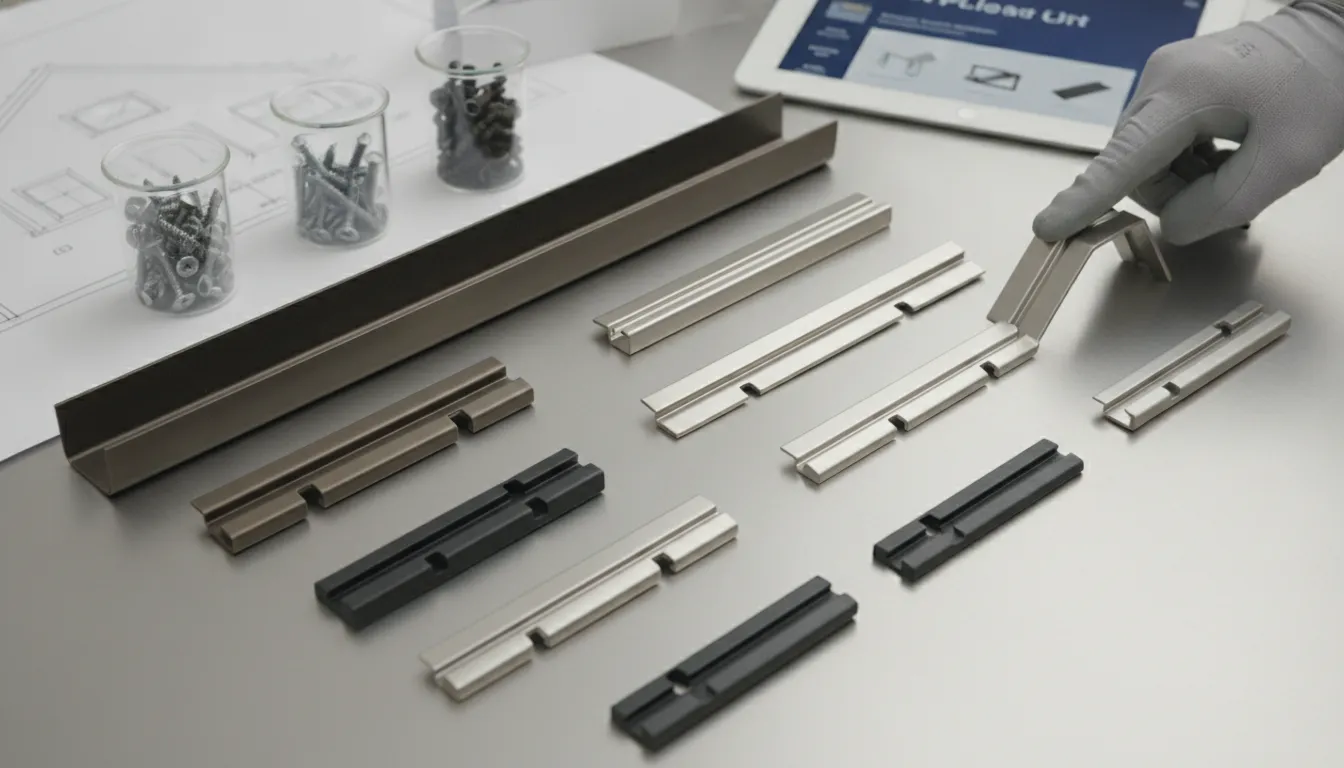
Sagging gutters are more than an eyesore. They can hold standing water, spill rain near your foundation, and put added strain on fasteners and fascia. Replacing a failed hanger may help, but only if the new support fits the gutter and attaches to sound material. This guide explains how to choose the best gutter hangers for replacement, compare common options, and check for problems that could make the repair fail again. You’ll also find practical advice on safe inspections, maintenance, and when to bring in a professional. A careful assessment can help you address the cause, not just the visible symptom.
Key Takeaways
- Choose hangers for your gutter system: Match the hanger to the gutter’s profile, size, and material, and follow product guidance for fasteners, spacing, and capacity.
- Check the mounting surface first: Repair soft or damaged fascia before installing new hangers, and look for sagging, loose fasteners, leaks, or standing water.
- Inspect and maintain the full system: Clear debris, check hangers after storms, and contact a gutter professional if damage affects the fascia, roof edge, or drainage.
What Are Gutter Hangers, and When Should You Replace Them?
Gutter hangers may be small, but they help keep the entire drainage system secure. Knowing what to look for can help you catch support problems before they contribute to leaks or water damage.
See how hangers support gutters and direct water to downspouts
Gutter hangers are the brackets or fasteners that attach gutters to your home. They hold the channel in place as it collects rainwater and carries it toward downspouts. Securely mounted hangers help preserve the gutter’s shape and slope, allowing water to drain rather than settle in low spots.
Spacing is important. If hangers are too far apart, unsupported sections may sag under the weight of water and debris or pull away from the fascia. Gutter Supply Inc. outlines common installation mistakes, including inadequate support. Requirements vary by gutter system, so follow the manufacturer’s guidance rather than relying on a single spacing rule.
Spot sagging, loose fasteners, corrosion, and other signs of failure
Inspect your gutters from the ground after rain and during routine home maintenance. Look for sagging sections, gaps between the gutter and fascia, missing or loose screws, and rust around metal hangers. Water spilling over one spot or remaining in the gutter after a storm can also signal a support or slope issue.
Leaves and other debris add weight, which can worsen problems when hangers are loose or too widely spaced. LeafFilter’s guide to gutter installation issues describes warning signs worth checking. If you spot damage in several places, assess the full gutter run instead of replacing one hanger without identifying the underlying cause. Avoid climbing a ladder to inspect or repair gutters unless you have the right equipment and experience.
Check the fascia, gutter seams, and drainage before replacing hangers
A damaged hanger may not be the only issue. Before choosing a replacement, check the fascia for rot, cracks, or soft areas, and inspect seams for separation. Look for dents or bends that could stop the gutter from sitting securely. During or after rain, note whether water flows toward the downspouts or collects in sections.
New hangers may not hold well if the fascia behind them is deteriorated, so repair the mounting surface first. Hanger spacing and gutter slope should follow the manufacturer’s instructions for your specific system. Munster Gutters explains why spacing and slope matter. If you find widespread looseness, fascia damage, or drainage concerns, a professional can assess the full system. TX Gutter Solutions provides gutter repair and maintenance services for homeowners across Central Texas.
Which Gutter Hangers Can You Choose?
Gutter hangers secure the gutter to your home, but the right style depends on more than appearance. You’ll need to match the hanger to the gutter’s profile and material, the condition of the fascia, and the way the roof edge is built. A hanger that doesn’t fit properly or attach to solid material may loosen, even if it looks sturdy.
Start by identifying your gutter type and checking where the existing hangers attach. Look for sagging sections, loose fasteners, and signs of rot or splitting in the fascia. These issues can point to a bigger repair than simply swapping one hanger for another. Also consider local conditions: heavy rain and wind can put extra demands on a gutter system, especially when debris adds weight.
The options below cover common hanger styles, but they aren’t interchangeable. Check the product specifications for gutter compatibility, fasteners, and spacing before buying. If you’re unsure about the roof edge or the condition of the mounting surface, a professional gutter inspection can help identify the right repair.
Hidden hangers: concealed support for compatible gutters
Hidden hangers sit inside the gutter. They hook beneath its front edge and fasten through the back to the fascia, keeping the support hardware out of sight for a clean roofline. They’re commonly used with K-style gutters, but you still need to confirm that a hanger matches your gutter’s size and profile.
When installed correctly, hidden hangers provide strong support without visible brackets along the gutter face. Their performance depends on more than the hanger itself: the fascia needs to be sound, the fasteners need to be appropriate, and spacing should follow the manufacturer’s guidance. This matters in Central Texas, where heavy rain can send a large volume of water through gutters in a short time. Art of Gutter’s guide to hanger spacing explains how hidden hangers attach and why spacing matters. Before replacing them, check for damaged fascia or loose fasteners that could undermine the new installation.
Strap hangers: support roof edges when fascia mounting won’t work
Strap hangers may be an option when the fascia is too narrow or not suitable for standard fascia-mounted hangers. A strap extends toward the roof edge and attaches to the roof structure, providing another way to support the gutter. Some designs can accommodate different roof pitches, but the right option depends on your roof and gutter setup.
The roof edge must be assessed before installation. A strap should attach securely without damaging shingles or interfering with roofing materials, and it won’t solve a problem caused by weak or deteriorated wood. Gutter Supply Inc.’s installation guidance describes strap hangers as an option when fascia mounting isn’t suitable. If you can’t confirm what’s behind the roof edge, ask a gutter professional to check the structure and recommend a compatible hanger.
Bracket hangers: visible support for compatible gutter profiles
Bracket hangers support the gutter from the outside, so the hardware remains visible. They can suit gutter profiles designed for bracket support, or locations where a concealed appearance isn’t a priority. The bracket still needs to fit the gutter and attach securely to sound fascia or framing.
Bracket designs differ, so don’t choose one based on appearance alone. Check the manufacturer’s specifications for gutter compatibility, fasteners, and installation spacing. Gutter Supply Inc. explains bracket hangers as a visible support option for different gutter profiles. If you’re replacing hangers on an existing system, compare the new bracket’s attachment points with the gutter and mounting surface. A gutter professional can also check for fascia damage or other issues that should be repaired before new hangers go in.
Spike-and-ferrule systems: replace failing spikes or upgrade
Spike-and-ferrule systems use long spikes driven through the gutter and into the fascia. A ferrule, a small tube inside the gutter, helps keep the gutter from being crushed as the spike is tightened. This traditional style is still found on many homes, but spikes can loosen over time, leaving sections sagging or pulling away from the fascia.
You can replace failed spikes, but first check the fascia. New spikes won’t hold well in wood that’s rotten, split, or otherwise damaged. Depending on the gutter and mounting surface, a newer hanger system may be a better fit. Englert’s gutter installation guidance discusses replacing failed spikes or considering newer support options. Match any replacement to the gutter, and repair damaged fascia before rehanging it.
How Do Hanger Types and Materials Compare?
Gutter hangers differ in how they attach, how much support they provide, and how they hold up to outdoor exposure. The best option depends on your gutter’s material, shape, and size, as well as the condition of the fascia and the fasteners used. A hanger that seems sturdy may still be a poor fit if it does not match the gutter profile or cannot be anchored securely.
When comparing materials, look at corrosion resistance, product ratings, installation requirements, appearance, and upkeep. Hidden hangers keep hardware out of view, while brackets and straps may be visible from the ground. Metal hangers are common, but their performance varies by design, thickness, finish, and installation. Plastic hangers do not rust, but may not suit every roof or drainage setup.
It’s also important to distinguish gutter material from hanger material. Information about aluminum or steel gutters can offer context about how those metals respond to weather, but it does not establish a hanger’s strength. For example, guidance on aluminum gutters discusses gutter construction, not hanger capacity. Check the hanger manufacturer’s specifications, including compatible gutter profiles, recommended fasteners, and spacing. If you’re unsure whether your fascia can support replacement hardware, a professional gutter system assessment can help identify what needs attention.
Compare strength, appearance, installation, and upkeep
Start by confirming that a hanger is designed for your gutter’s material, profile, and size. Similar-looking gutters can have different shapes, so a hanger that fits one system may not secure another properly. Check the product’s load rating and installation instructions, including how it attaches to the fascia or roof edge.
Consider appearance and maintenance, too. Hidden hangers keep the outside of the gutter looking neat, while brackets and straps remain visible. Metal hangers can corrode if their finish is damaged or if they are paired with incompatible metals. Plastic hangers will not rust, but their suitability depends on their design and the conditions they face. Before installation, inspect the fascia for rot or looseness. Even a well-made hanger needs a solid mounting surface and the correct fastener to support the gutter reliably.
Aluminum: lightweight and corrosion-resistant
Aluminum hangers are lightweight and resist rust, making them a practical option for many residential gutter systems. They may pair well with aluminum gutters, but compatibility and product design matter. Do not assume every aluminum hanger offers the same level of support: construction, thickness, shape, and attachment method all affect performance.
Check that the hanger is made for your gutter profile, then follow the manufacturer’s guidance on fasteners and spacing. Aluminum gutter products are available in different thicknesses, and Gutter Shutter’s aluminum guidance notes that thickness can affect gutter performance. That information does not rate hanger strength, so use the hanger’s own specifications when comparing products.
Galvanized or coated steel: strong, but inspect the finish
Steel hangers can provide firm support, and galvanized or coated options have a protective layer designed to reduce rust. That protection can wear down over time. Scratches, cut edges, and ongoing moisture exposure may leave the steel beneath vulnerable to corrosion, so inspect the coating and consider how wet or debris-prone your gutters tend to be.
Check that steel hangers and fasteners are compatible with the gutter material. Product details should identify the coating and intended use, rather than relying on a general “weather-resistant” claim. Steel’s durability and susceptibility to rust are also discussed in this overview of gutter materials. Keep in mind that gutter material descriptions do not establish the performance of a particular hanger; look for specifications for the actual hardware you plan to use.
Stainless steel: durable, with a higher upfront cost
Stainless steel resists corrosion and can be a durable choice for gutter support. It usually costs more than basic coated steel or aluminum, so compare the price with the product’s rated capacity, expected conditions, and installation requirements. A higher price alone does not confirm that a hanger is right for your system.
Before choosing stainless steel, check that the hanger fits your gutter and that its fasteners are approved for the mounting surface. Also ask whether it is suitable for use with your gutter material, since pairing different metals can contribute to corrosion. Information about stainless steel gutters covers the material’s durability and cost, but hanger performance depends on the specific hardware and how it is installed.
Plastic: inexpensive, but not right for every system
Plastic hangers are often less expensive and will not rust. However, they may not suit gutters exposed to heavy water flow, accumulated wet leaves, or other significant loads. Sunlight and temperature changes can affect plastic over time, though performance varies by product and material quality.
If you’re considering plastic, check the manufacturer’s load rating, compatible gutter profiles, and installation instructions. Inspect existing plastic supports for cracks or brittleness, especially if they have been exposed to the elements for years. Plastic can be suitable for some lighter-duty systems, but it is not a universal replacement for metal hardware. If your roof sheds water quickly or your gutters collect frequent debris, ask a gutter professional to assess the system before choosing replacement hangers.
How Do You Choose Replacement Gutter Hangers?
Choose hangers to suit the entire gutter system, not just the hardware you’re replacing. Check the gutter’s profile and material, the amount of runoff it handles, and the condition of the surface it attaches to. These details help you select compatible support and avoid repeating the repair.
Match hangers to gutter material, profile, size, and design
Identify your gutter’s material, profile, and size before shopping. A hanger made for a K-style gutter may not fit a half-round profile, and a hanger designed for one gutter size may not hold another securely. Check product specifications, or bring a failed hanger or gutter sample to a supplier to confirm the fit.
Consider how the hanger attaches, too. Hidden hangers sit inside the gutter and are commonly used with K-style systems. The Art of Gutter’s guide to hanger spacing explains how hanger type and placement affect support. Follow the recommendations for your specific gutter and use compatible fasteners.
Consider gutter length, roof area, water volume, and debris
Long gutter runs and roof sections that collect runoff from a large area can place extra demand on hangers. Heavy rain sends water through the system quickly, while leaves and other debris add weight and can slow drainage. If water pools or gutters overflow, check for clogs, poor slope, undersized gutters, or insufficient downspout capacity.
Follow the gutter manufacturer’s spacing instructions, paying close attention to corners, joints, and other areas that need support. Englert explains how widely spaced hangers can contribute to sagging and pooling. The right spacing depends on the gutter and site conditions, so don’t assume one measurement works for every home.
Check fascia, framing, and access for secure installation
Inspect the fascia board and the area behind it before selecting hangers. Soft, cracked, or rotting wood may not hold fasteners securely. Look for dark stains, peeling paint, loose boards, or signs of water damage. Repair compromised fascia before rehanging the gutter so the new supports have a solid mounting surface.
Make sure the gutter can sit flush against the fascia and that fasteners can reach sound wood. LeafFilter describes common causes of gutter sagging, including inadequate support and excess debris. Roof height, landscaping, and nearby obstacles can also make installation difficult. If the fascia needs repair or access is unsafe, consider a professional gutter inspection.
Compare rated capacity and total cost, not just price per hanger
Compare each hanger’s load rating and installation requirements with your gutter system. The hangers, fasteners, fascia, and spacing all work together, so a low-cost option may not be a good fit if it requires closer spacing or cannot support expected loads. Check product documentation for compatible gutter types, materials, and installation methods.
Estimate the full project cost, including fasteners, fascia repairs, disposal, and labor if you hire an installer. Gutter material also affects the overall budget, as EcoWatch’s overview of gutter types and costs illustrates. If several sections are damaged or gutters keep pulling away, request a free estimate from TX Gutter Solutions to compare repair and replacement options.
How Do Central Texas Weather and Roof Conditions Affect Hanger Choice?
Central Texas gutter hangers need to handle heavy rain, strong sun, and changing temperatures. The right option depends on your gutter’s size and material, roof area, debris levels, and the condition of the fascia. Consider these factors together when choosing replacement hangers.
Account for heavy rain, fast runoff, and wind
Heavy downpours can send water off the roof quickly, adding substantial weight to gutters. Hangers need to support the gutter along its full run, with extra attention to long sections and areas where rooflines meet. If support is inadequate, gutters may sag or pull away from the fascia.
Wind can put additional strain on gutters, especially along exposed roof edges. Hidden hangers provide concealed support for compatible gutter profiles, and gutter hanger guidance recommends them for high-rainfall locations. The best choice still depends on your roof, gutter style, and mounting surface, so have those conditions assessed before replacing hangers.
Choose durable materials for heat, sun, and temperature swings
Long periods of sun and high temperatures can wear on exterior components. Gutters and hangers also expand and contract as temperatures change, so choose products made for outdoor use and compatible with your gutter material. The mounting surface matters too: even a durable hanger won’t hold securely if it’s fastened to deteriorated fascia.
Aluminum is a common gutter material because it is lightweight and resists rust, but quality and construction vary. A comparison of gutter materials can help clarify the differences between options. For advice tailored to your roof and local conditions, explore TX Gutter Solutions’ services.
Reduce extra weight with regular cleaning and suitable leaf protection
Leaves, twigs, and roof granules can collect in gutters, trap water, and add weight to the system. That extra load can strain hangers and fasteners, especially during heavy rain. Clear gutters regularly, and check that downspouts move water away from your home rather than allowing it to pool near the foundation.
Leaf guards can help limit debris, but choose a style that suits your roof, nearby trees, and gutter design. Guards still need occasional inspection to ensure water can flow through the system. Proper hanger support is also important: Englert’s installation advice explains how hangers placed too far apart can contribute to sagging or detachment.
Follow manufacturer guidance on spacing and load capacity
Hanger spacing isn’t the same for every gutter system. The correct layout depends on the hanger model, gutter size and material, roof conditions, and the weight the system may need to carry. Follow the manufacturer’s instructions for spacing and load capacity, and use fasteners suited to the hanger and mounting surface.
General recommendations can offer a useful starting point, but the product instructions should determine the final layout. For example, Gutter Supply’s installation guide discusses spacing for proper gutter support. Before rehanging gutters, check that the fascia is sound and securely attached. Repair damaged or soft areas first, since new hangers won’t fix an unstable mounting surface.
Which Fasteners Work Best with Replacement Gutter Hangers?
Choose exterior-rated screws that suit the hanger, gutter, and mounting surface
For many replacement hangers, exterior-rated screws are a reliable choice because they’re designed to withstand exposure to moisture and changing weather. The right screw depends on the hanger design, gutter material, and surface you’re fastening into. Check the manufacturer’s instructions for the recommended fastener type, length, and head style. A screw should pass through the hanger and anchor securely without piercing or damaging the gutter.
Skip interior screws and don’t reuse fasteners that are rusty, bent, or stripped. Screws and hangers work as a system, so using suitable hardware helps provide dependable support. Gutter installation guidance also recommends choosing quality supports and checking them regularly.
Fasten hangers to sound fascia or framing, not just shingles or trim
A hanger needs a firm anchor, usually sound fascia or structural framing, depending on the hanger type and installation instructions. Shingles and decorative trim alone don’t provide a dependable mounting surface. If a screw only catches a thin or deteriorated layer, the hanger can loosen under the weight of water and debris.
Before installing a replacement hanger, check the fascia for soft spots, rot, cracks, or signs of water damage. The gutter should sit properly against the fascia, without pulling away or resting unevenly. LeafFilter’s guide to gutter installation problems explains why proper fascia contact matters. Repair damaged wood before rehanging the gutter.
Avoid metals that can corrode when combined
Fasteners, hangers, and gutters need to be compatible. When certain dissimilar metals touch in wet conditions, corrosion can develop and weaken the connection. This is worth checking when a gutter system combines materials such as aluminum, copper, galvanized steel, or stainless steel. Don’t select screws by appearance alone. Confirm that the fastener material and coating are suitable for both the hanger and the gutter.
Follow the product manufacturer’s guidance, and avoid mixing metals unless the components are designed to work together. Corrosion resistance depends on the materials and conditions around the home, so consider the full assembly. This overview of gutter materials describes how different metals vary in their resistance to corrosion, helping homeowners understand why compatibility matters.
Replace damaged fasteners and repair deteriorated fascia before rehanging gutters
Remove fasteners that are loose, corroded, bent, or stripped rather than trusting them to hold new hardware. Inspect each mounting point, and repair or replace deteriorated fascia before installing replacement screws. A new hanger still needs solid material to grip, or it may loosen again.
While the gutter is accessible, check the seams and hanger spacing. Supports placed too far apart can allow the gutter to sag or hold water, so follow the manufacturer’s spacing and load-capacity guidance. Englert’s installation advice notes that additional supports may be needed when hangers are too widely spaced. If damage reaches the fascia or roof edge, consider a professional inspection. TX Gutter Solutions provides gutter repair and related services in Central Texas.
How Do You Install Replacement Gutter Hangers Correctly?
Inspect the gutter, fascia, and fasteners before you start
Check the full gutter run before replacing a hanger, even if the problem appears limited to one spot. Look for sagging, bent sections, open seams, corrosion, and debris that could add weight. Inspect the fascia board for soft, cracked, or rotted wood, and check whether nearby fasteners are loose. New hangers won’t stay secure if the mounting surface is damaged.
Also consider how water flows through the system. Make sure downspouts are clear and look for signs the gutter has pulled away from the roofline or lost its drainage pitch. LeafFilter’s guide to gutter installation problems describes common signs of poor support and damage. If you find problems across several sections, have the system assessed before replacing individual hangers.
Remove failed hangers and repair damaged mounting surfaces
Remove broken or loose hangers carefully to avoid bending the gutter or damaging the fascia. If old fasteners have loosened or enlarged their holes, don’t count on those holes to hold a replacement securely. Install new fasteners in sound wood, or repair the mounting surface first. If the fascia is rotted or soft, address that damage before rehanging the gutter.
After removing failed supports, check nearby sections for movement and gaps. Add hangers where needed, especially around joints and corners, while following the product instructions. Englert’s gutter installation guidance explains that additional supports may be needed when hangers are spaced too far apart. If fascia damage extends along the roofline, or repairs require working close to the roof edge, contact a gutter professional.
Align the gutter, maintain its drainage slope, and follow spacing instructions
Position the gutter before fastening replacement hangers. It should follow the roofline evenly, with a slight slope toward the downspout so water can drain. Avoid dips or abrupt changes in pitch, which can leave water and debris sitting in the gutter. Check the full run as you work, rather than fastening each hanger without confirming the alignment of the next section.
Follow the hanger and gutter manufacturer’s spacing instructions, since requirements can vary with the product, roof conditions, and expected water load. As a general reference, Gutter Supply recommends support at least every three feet, but check the instructions for your specific system. Use a level or chalk line to keep the run consistent, and provide support near joints and corners as directed.
Avoid loose fasteners, uneven spacing, poor alignment, and unsupported joints
Even the right hanger can fail if it’s installed incorrectly. Choose exterior-rated fasteners that suit both the hanger and the mounting surface. Tighten them securely, but avoid overtightening, which can damage the hanger or deform the gutter. Check that each hanger sits flush and supports the gutter without leaving a gap.
Keep hanger spacing consistent, and don’t leave seams or corners unsupported. Gaps in support can contribute to sagging when rainwater and debris add weight. Englert outlines how improper spacing can weaken gutter support. After installation, run water through the system and check for pooling, leaks, or overflow. If sagging or drainage problems continue, TX Gutter Solutions provides gutter repair and maintenance services.
How Do You Maintain Gutter Hangers and Know When to Call a Pro?
Inspect hangers and fasteners twice a year and after severe storms
Check your gutter hangers and fasteners at least twice a year, such as in spring and fall, and after severe storms. Look for hangers pulling away from the fascia, screws that have backed out, or gutter sections that appear uneven. From the ground, binoculars can help you spot visible concerns without climbing a ladder. If you use one, place it on stable ground and follow its safety instructions.
Add seals and caulk to your inspection. Check them annually for cracks, and repair them as needed. Today’s Homeowner recommends inspecting gutter accessories regularly, a simple habit that can help you catch wear before it affects gutter support or drainage.
Clear debris and check for sagging, corrosion, leaks, and loose fittings
Leaves, twigs, and roof grit add weight to gutters, which can strain hangers and fasteners. Clear debris from the trough and downspouts, then check that water can flow through the system. Look for sagging sections, corrosion, leaks at seams, and loose fittings. A gutter that pulls away from the house or holds standing water may have a support or slope issue.
If the same section sags again after cleaning, the hangers may be too far apart, the fasteners may be loose, or the mounting surface may be damaged. LeafFilter outlines common causes of sagging gutters, including inadequate support and excess debris. Identify the cause before adding or replacing hangers, so the repair addresses the underlying problem.
Call a gutter professional if damage reaches the fascia, roof edge, or drainage system
A loose hanger may be a simple fix, but damage around it can signal a larger problem. Contact a gutter professional if the fascia is soft, cracked, or pulling away; the roof edge looks damaged; or water spills near the foundation even when gutters and downspouts are clear. The repair may involve the mounting surface, gutter alignment, or drainage route, not just a new hanger.
Get professional help if a gutter is detached, unstable, or difficult to reach. A poorly secured system can come loose during a storm and cause more damage. TX Gutter Solutions provides gutter repair, maintenance, and drainage services in Central Texas. A professional can assess the full system and recommend repairs that suit your home.
Related Articles
- 5 Rookie Mistakes to Avoid When Installing Rain Gutters
- Signs Your Gutters Were Installed Incorrectly
- Common Gutter Installation Mistakes
- Avoid These Mistakes When Installing Gutters: Size, Seams & More
- Gutter Hanger Spacing: How Far Apart Should They Be?
Frequently Asked Questions
How often should I inspect gutter hangers?
Check them at least twice a year and after severe storms. Look for sagging, loose fasteners, corrosion, and gaps between the gutter and fascia. You can use binoculars to inspect from the ground.
Can I replace one gutter hanger, or do I need to replace them all?
You can replace an individual hanger if the damage is isolated and the surrounding supports, gutter, and fascia are in good condition. If several hangers are loose or the gutter keeps sagging, have the full run assessed to find the underlying issue.
Will gutter guards reduce strain on hangers?
Guards can limit how much debris enters the gutter, which may help prevent excess weight from building up. They don’t eliminate the need for cleaning or sturdy support, and the right guard depends on your gutter system and nearby trees.
What should I do if the fascia is damaged?
Repair or replace soft, cracked, or rotted fascia before installing new hangers. Fasteners need sound material to hold securely, so attaching new hardware to damaged wood can lead to another failure.
When should I hire a gutter professional?
Get professional help if gutters are detached, multiple sections sag, the roof edge or fascia is damaged, or water continues to collect or spill over. A professional can check the supports, slope, and drainage together.